Before Messel and its pit became famous as a fossil deposit, the focus was on oil shale. The rock surrounding the fossils has been systematically mined and industrially processed here since the end of the 19th century.
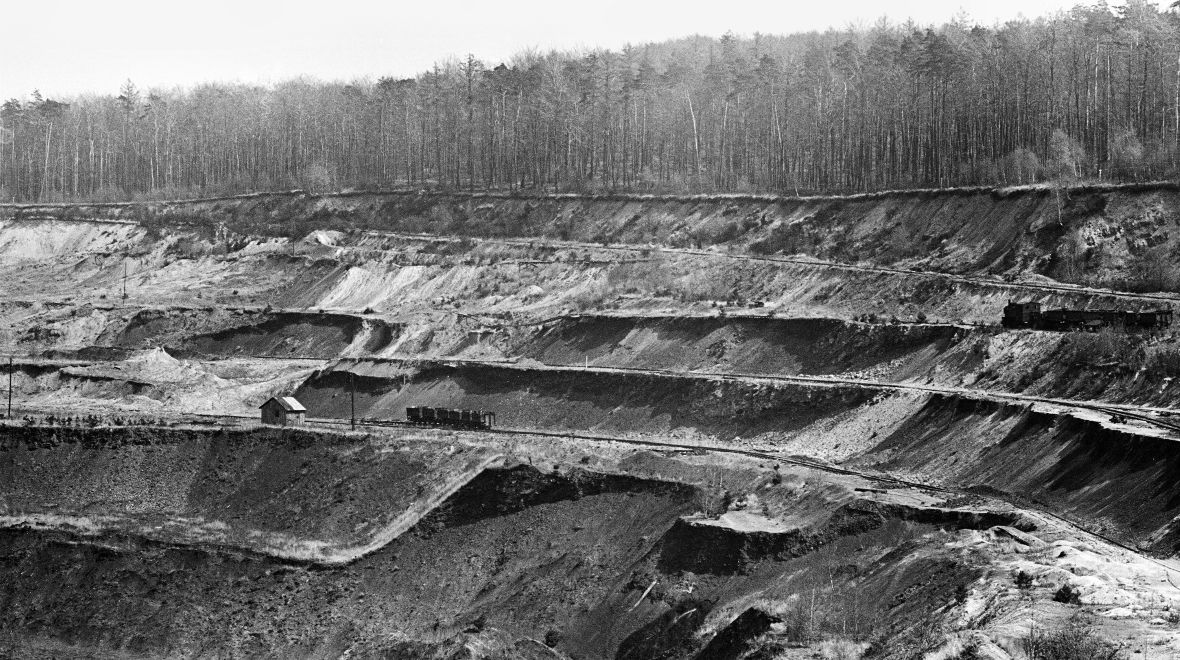
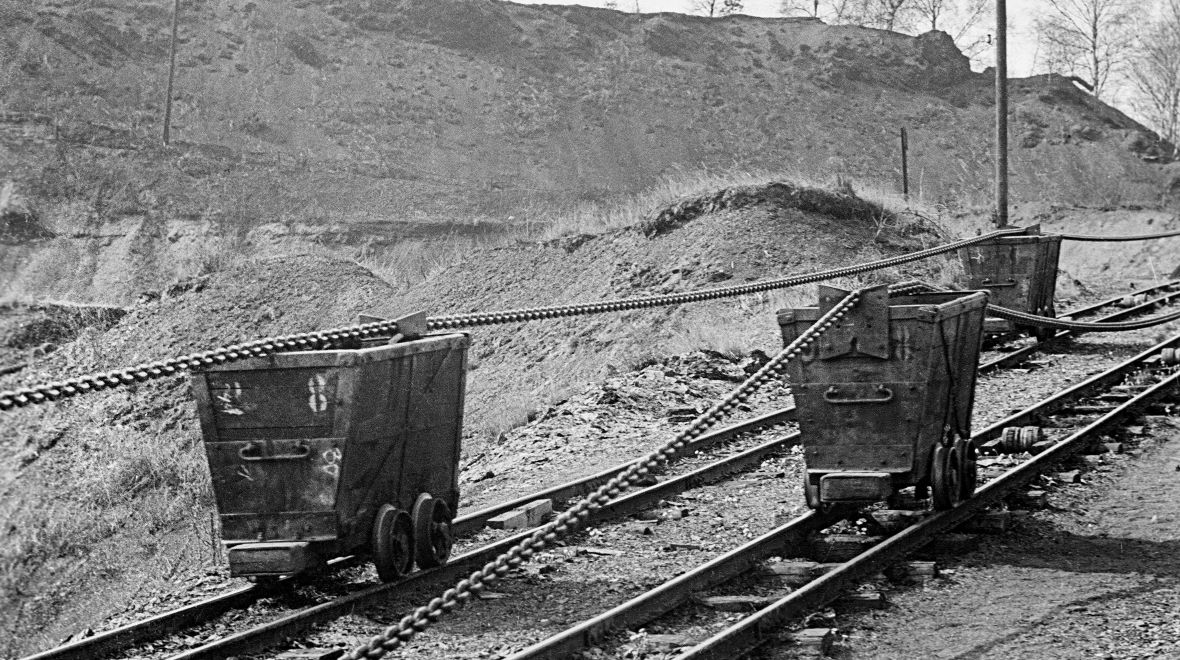
An oil shale outcrop at the Messel open-cast mine, 1948/49. Photographs by Kurt Röhrig.
1948
TEchnological innovation
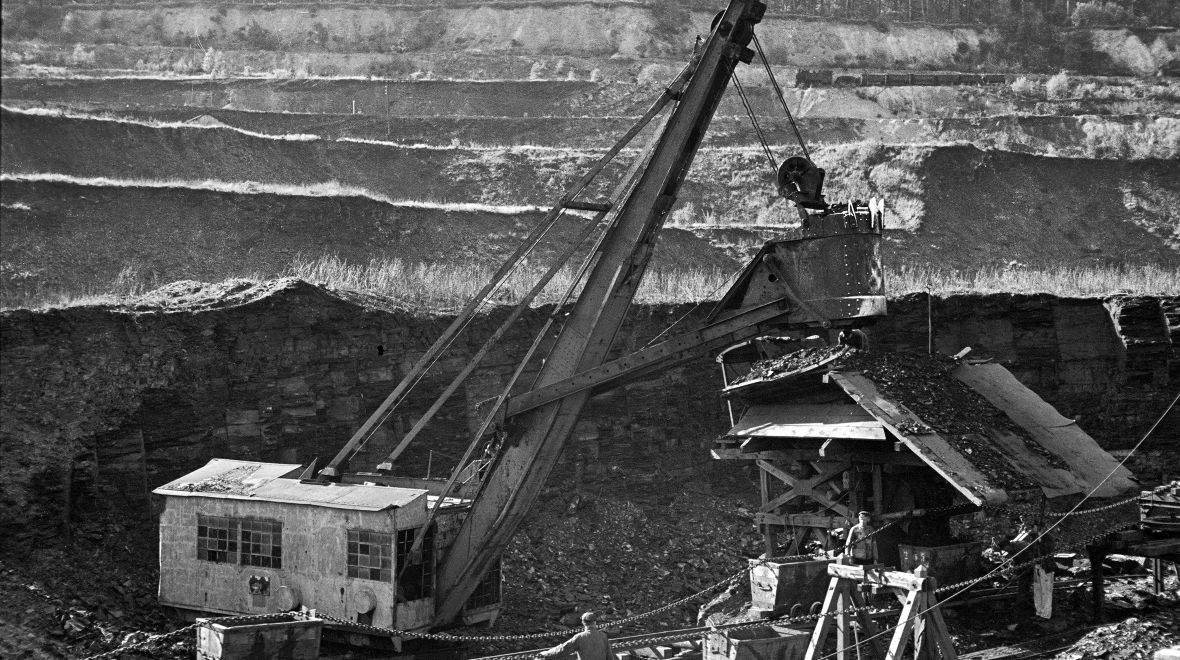
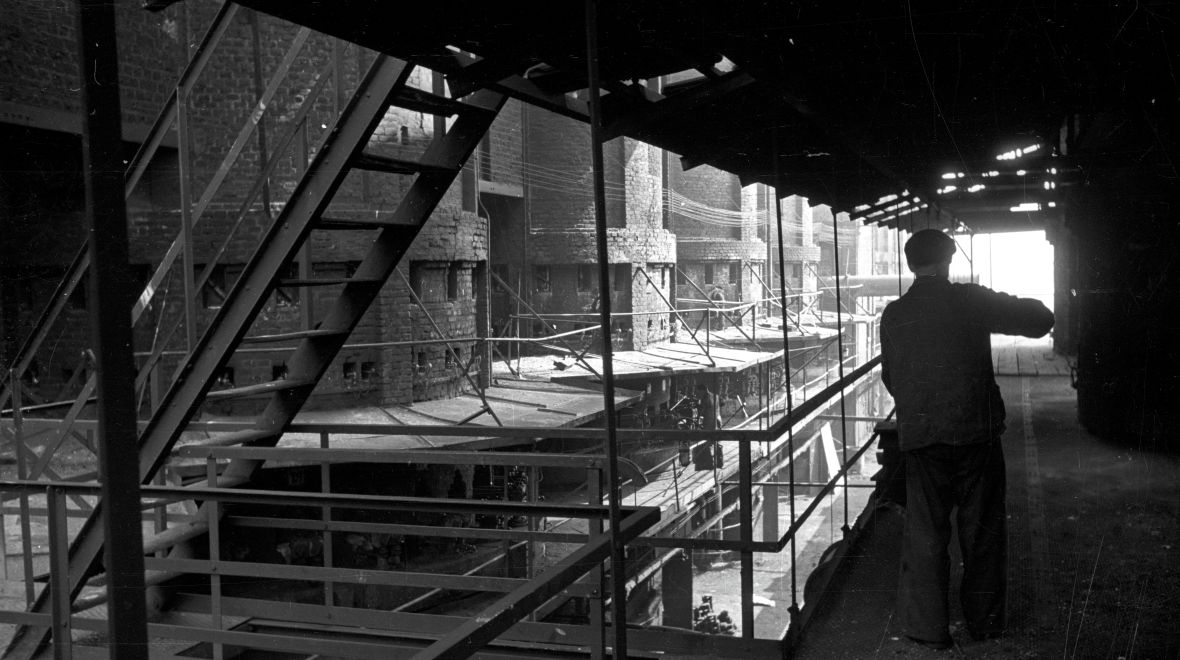
Excavators, chain conveyors, and retort furnaces shaped industrial oil shale mining in Messel and made the mine an important production site.
At the same time, the massive intervention in the landscape created the conditions for the discovery and scientific study of the exceptionally well-preserved fossils.
Bagger und Ladetrichter für die Förderwagen 1948/49. Aufnahmen von Kurt Röhrig.
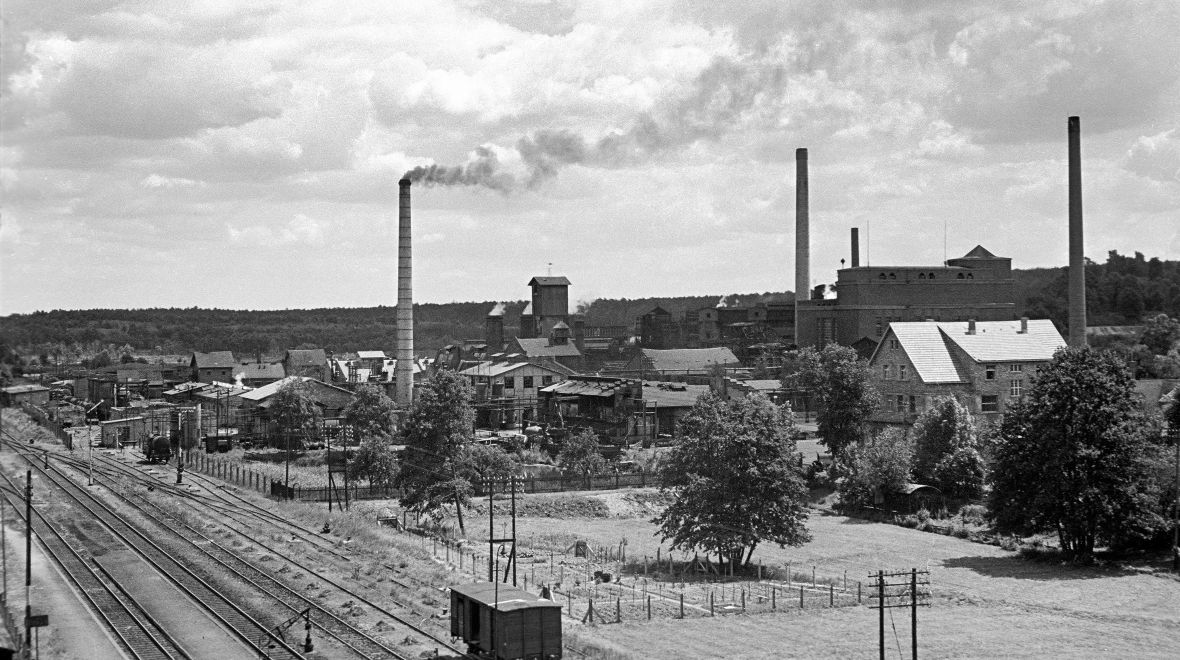
Werk Messel 1948/49. Aufnahmen von Kurt Röhrig
Tagebau Grube Messel 1948/49. Aufnahmen von Kurt Röhrig.
Schwelöfen im Hintergrund 1948/49. Aufnahmen von Kurt Röhrig.
Kettenbahn 1948/49. Aufnahmen von Kurt Röhrig
1976
Landfill site & citizens' initiative
In the 1970s, there were plans to turn the Messel pit into a landfill site. Determined protests by a citizens’ initiative prevented this from happening and preserved the pit.
Aufnahme von Lothar Wendel 1976.
1995
UNESCO World Heritage Site
In 1995, the Messel Pit was designated Germany’s first UNESCO World Heritage Site. The certificate recognizes the exceptional scientific significance of the fossil finds and the successful efforts to preserve this unique site.