The daisy is native to Central, Northern, Western and Southern Europe as well as North Africa. In the
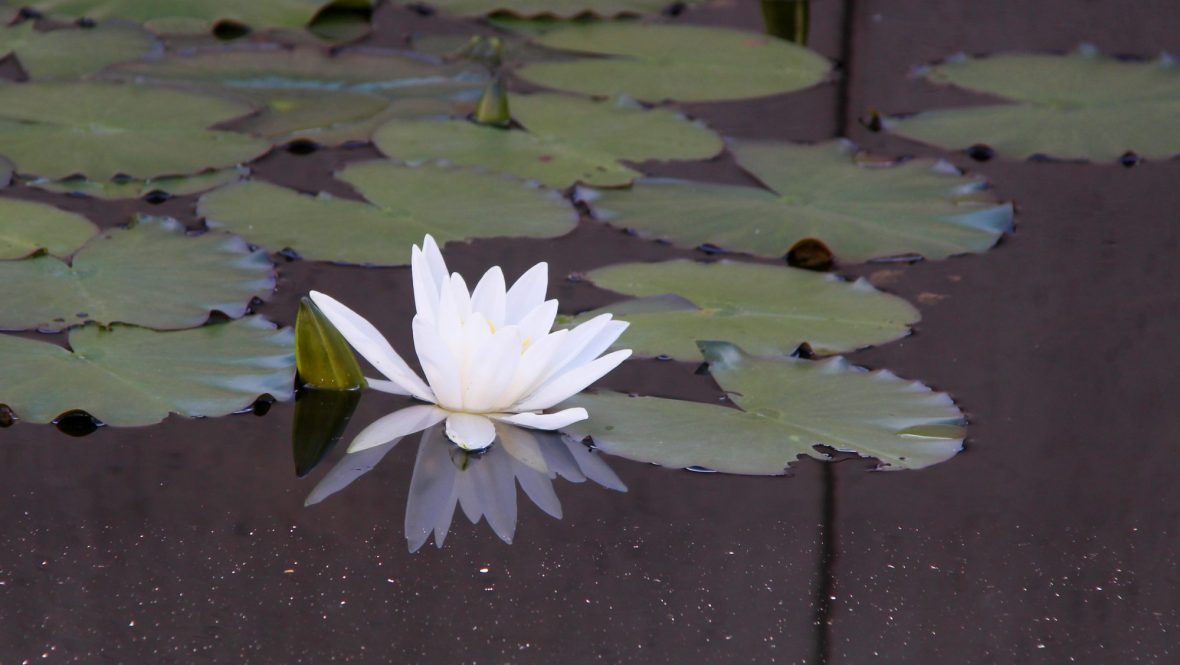
The white water lily, an aquatic plant, is found in most of Europe. The continuous range extends from southern Scandinavia (and on the Norwegian coast even as far north as the Lofoten Islands) to the Mediterranean and from the Pyrenees to the Caspian Sea and the Urals. In addition, the whole of Portugal is colonized, whereas in Spain this water lily only occurs in a few regions. There are isolated populations as far as Kashmir as well as Jammu in India. This water lily requires slow-flowing or stagnant waters.
Fossils of the water lily Nuphaea engelhardtii have been found in the Messel Pit. The genus name Nuphaea is a mixture of the generic names of water lilies (Nymphaea) and pond lilies (Nuphar), as Nuphaea occupies an intermediate evolutionary position between these two genera.
The main pollinators of the abundant pollen-producing flowers of the white water lily are beetles. However, flies and bumblebees also visit the flowers from time to time.
Mediterranean region there are other species such as Bellis longifolia and the annual daisy. To distinguish it from these, it is then called lawn daisy or common daisy. Due to its wide distribution and ubiquitous occurrence in almost every meadow, the daisy has dozens of local names in Germany. Daisies are depicted on one of the gates of the walls of Babylon, which was one of the Seven Wonders of the World in ancient times. This city gate, the Ishtar Gate, which can be seen in Berlin, was built in three phases after around 600 BC. Older depictions come from Ancient Egypt and Sumer. Bees, bumblebees and flies pollinate the flowers. The latter follow the sun and close before sunset. The seeds are spread by water, wind, earthworms and cattle